

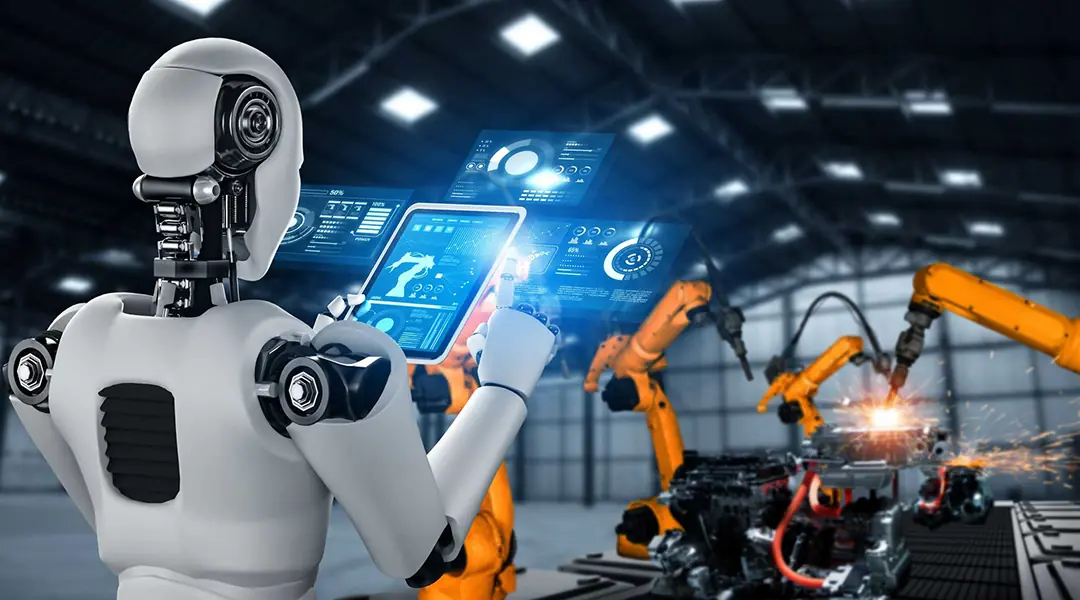
Physical AI & Digital Twins: The Shift from Prototypes to Predictive Engineering
The automotive industry is undergoing a structural transformation. For decades, vehicle development relied on a familiar cycle: design, prototype, test, fail, refine. While simulation tools existed, they were limited in scope and often required physical validation before confidence could be established.
That model is rapidly changing.
What Is Physical AI?
At the heart of this shift is Physical AI — artificial intelligence systems trained not just on data, but on the laws of physics themselves. These systems understand concepts such as gravity, force distribution, material stress, inertia, and friction. Instead of simply predicting outcomes based on historical datasets, Physical AI reasons about how a vehicle behaves in real-world conditions.
This capability is redefining how cars are conceived.
Digital Twins: Building a Car Before It Exists
Nvidia has accelerated this transition through its Omniverse ecosystem and the Cosmos world foundation model. Together, they allow engineers to construct advanced digital twins — virtual replicas of vehicles that respond to environmental inputs and physical constraints as real vehicles would.
A digital twin can simulate collision dynamics in multiple impact angles, sensor response during fog, rain, or glare, road friction variations, thermal behavior under high loads, and edge cases rarely encountered in traditional testing.
This dramatically reduces reliance on costly physical prototypes. Instead of manufacturing several iterations, automakers can simulate thousands of performance variations in a controlled digital environment.
Software Development Before Hardware Manufacturing
Synopsys has extended this concept with its Virtualizer Development Kits (VDKs). These allow engineers to develop and validate vehicle software on simulated AI chip architectures months before physical silicon is fabricated.
This inversion of the traditional pipeline is powerful. Software teams no longer wait for hardware. Validation begins earlier. Integration issues are detected sooner. The result is compressed development timelines and improved reliability at launch.
Strategic Implications
The deeper shift is philosophical. Automotive engineering is moving from reactive troubleshooting to predictive modeling.
Instead of asking 'What happens if this fails?', engineers can now ask 'How will this system behave under every plausible condition?' That predictive advantage reduces cost, accelerates innovation, and improves safety.
As vehicles become more software-defined, Physical AI and digital twins are becoming foundational infrastructure rather than optional tools.
The era of trial-and-error automotive design is closing. Predictive engineering has arrived.