

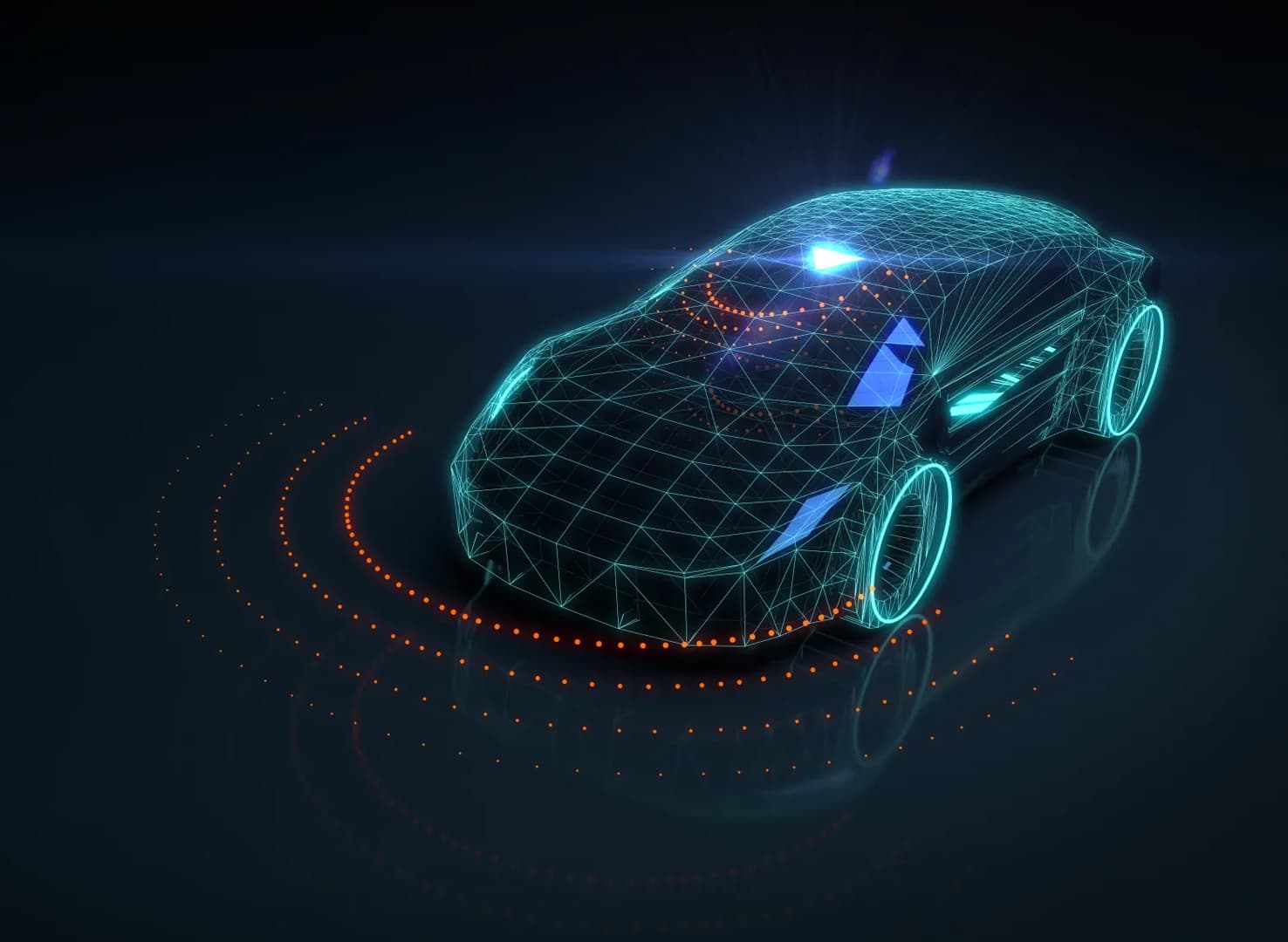
The Complexity of Modern Vehicle Design
Designing a modern vehicle involves balancing dozens of constraints simultaneously — weight, safety, structural rigidity, cost, aerodynamics, thermal management, and regulatory compliance.
Human engineers are exceptional at solving such problems. But generative AI can explore far more combinations than any individual or team.
Electric Vehicle Optimization
Capgemini is applying generative AI systems to electric vehicle (EV) development. EV architecture presents unique challenges. Batteries add substantial weight. Structural reinforcements must protect high-voltage components. Thermal systems must prevent overheating.
Generative AI allows engineers to input constraints — such as maximum weight, material type, or performance targets — and receive thousands of optimized structural variations.
Key Benefits of AI-Generated Vehicle Designs
This produces lighter chassis components, improved energy efficiency, better battery packaging, and reduced material waste.
AI-generated structures often resemble organic forms rather than traditional geometric patterns, reflecting mathematically optimized stress distribution.
Formula 1: Innovation at Extreme Limits
Formula 1 has always been a proving ground for advanced engineering. As teams prepare for the 2026 regulatory framework, AI-enhanced CFD simulations are being used to predict aerodynamic behavior under new constraints.
In Formula 1, airflow optimization can determine race outcomes. AI-driven modeling enables teams to simulate turbulence interactions, wake effects, and energy recovery strategies at unprecedented depth.
From F1 to Mainstream Vehicles
Historically, F1 innovations eventually influence mainstream vehicles. AI-optimized aerodynamics and lightweight structures may follow the same path.
The technologies proven on the track often find their way into consumer vehicles, making them safer, more efficient, and better performing.
Redefining the Role of the Engineer
Generative AI does not replace engineers. It augments them. The role shifts from manual designer to constraint architect and system optimizer.
The engineer defines goals and boundaries. AI explores the solution space. This partnership between human insight and machine computation is reshaping production-level automotive design.
Build Your AI/ML Expertise with InternGrad
Want to master the AI technologies transforming industries like automotive engineering? Enroll in our Artificial Intelligence and Machine Learning course, mentored by B. Ambika (IIT Kharagpur Alumni). This comprehensive 10-12 week program equips you with practical skills in machine learning, deep learning, and AI applications that are driving innovation across sectors.
From understanding neural networks to implementing generative AI solutions, our course provides hands-on experience with real-world projects. Join thousands of learners who are building careers in AI with guidance from industry experts.
Recommended Course
Artificial Intelligence and Machine Learning
Mentor: B. Ambika (IIT Kharagpur Alumni) | Duration: 10-12 Weeks